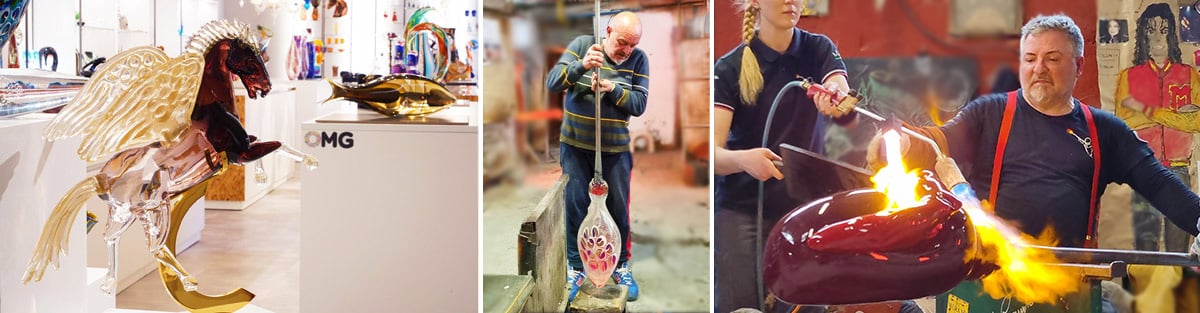



The first thing that strikes you when you step into a Murano glass factory is the light: colors glow intensely, the glass seems almost alive, constantly changing as you watch it.
Among the many techniques developed on the island, one continues to amaze even those who know glassmaking well: chalcedony glass.
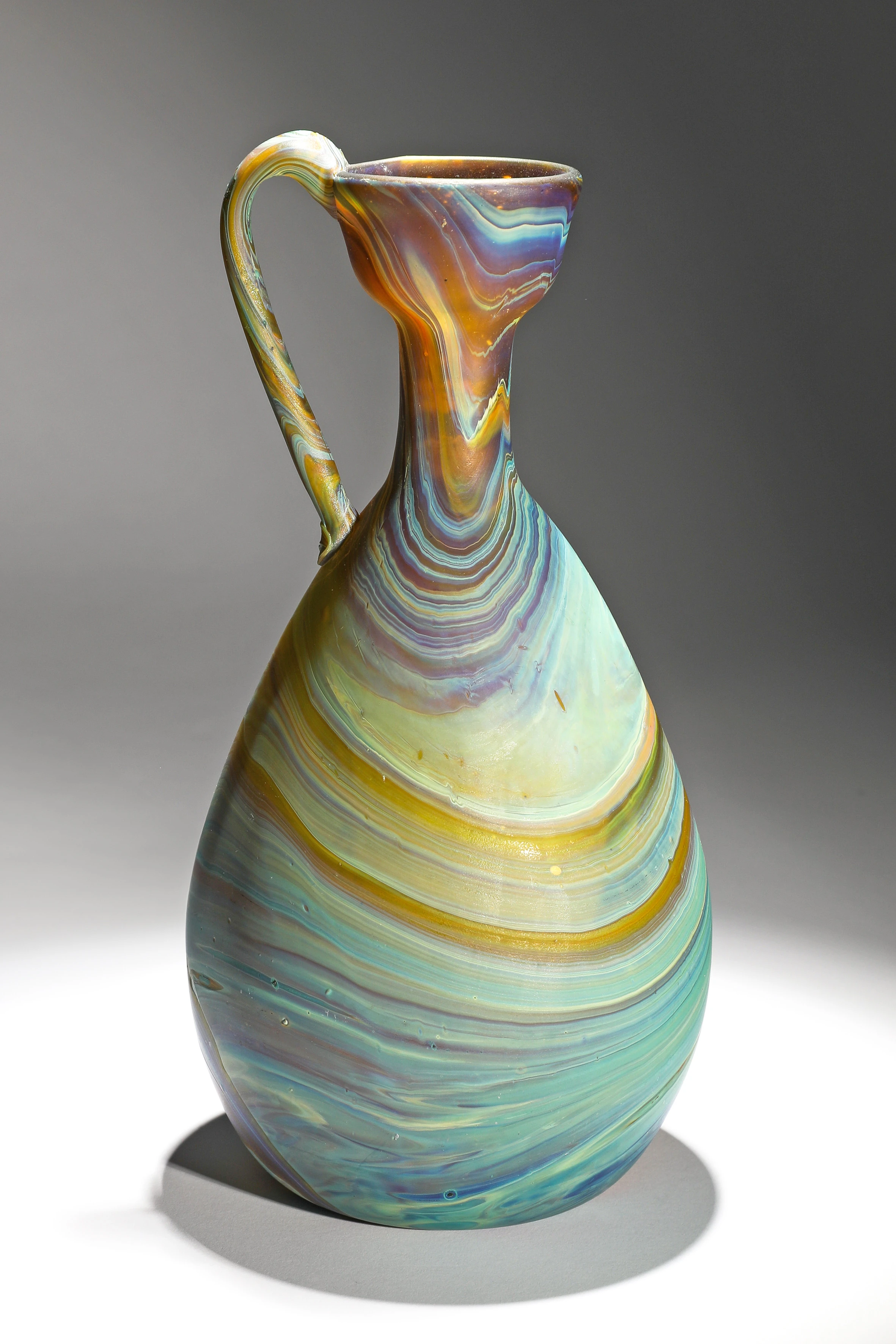
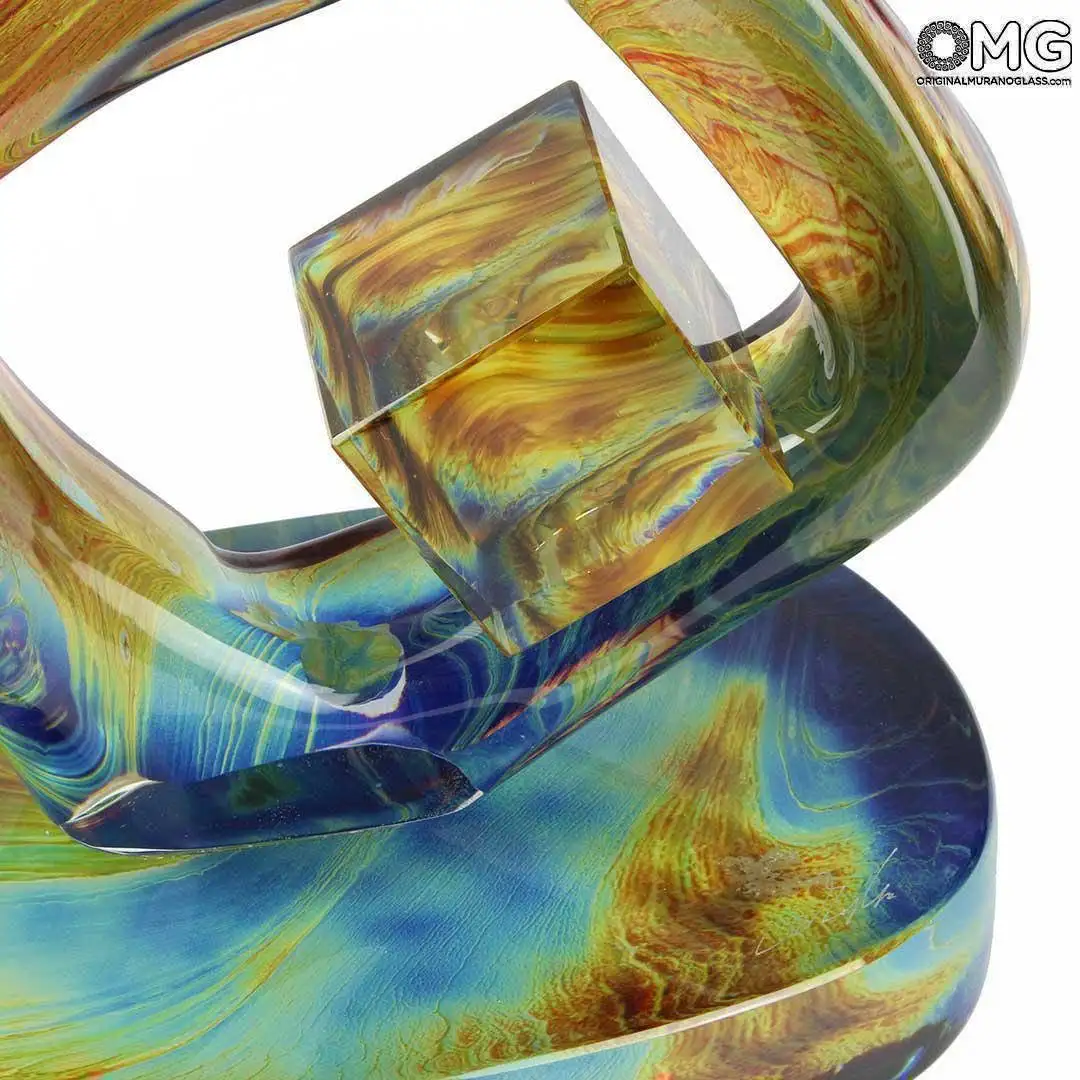
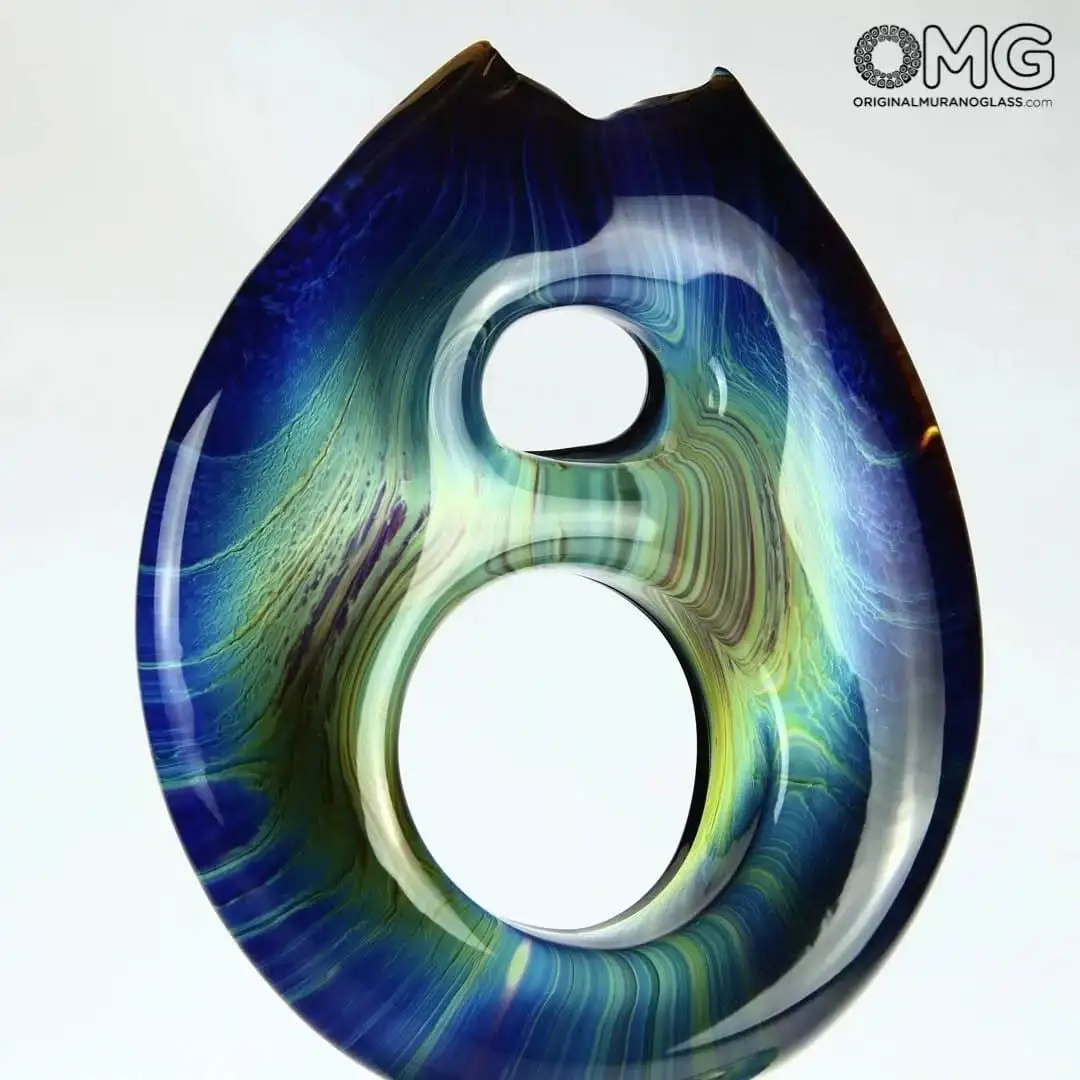
From a distance, it looks remarkably like natural stone, and it's easy to find yourself staring at a surface that seems to deceive the eye.
At first glance, many people assume they're looking at a carved gemstone.
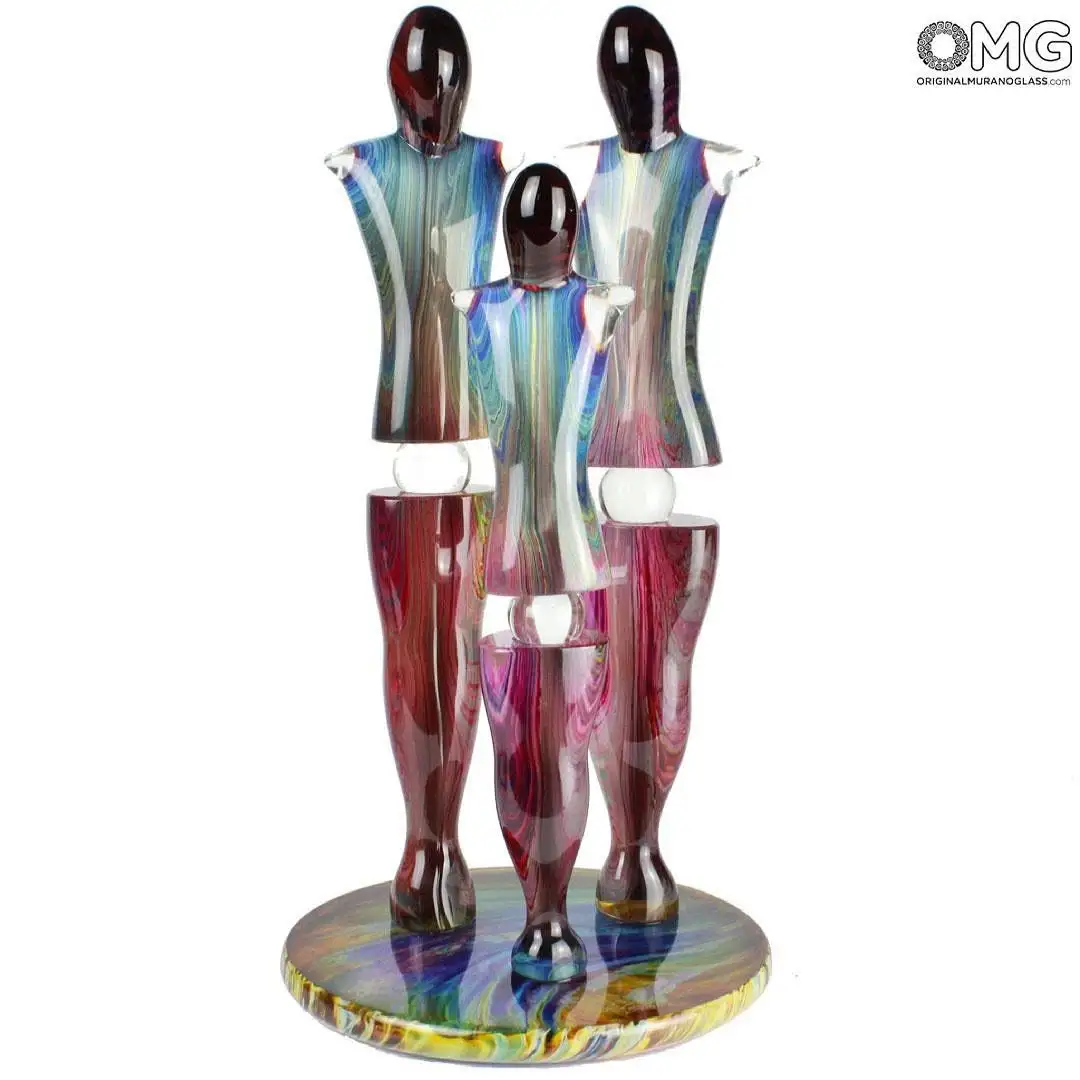
Its veins, color variations, and layered shades resemble materials such as agate, jasper, and chalcedony—the very stones that inspired the name of this technique.
The surprise comes when you move closer and discover that it isn't stone at all, but glass.
An Invention Born During the Renaissance
The earliest experiments with chalcedony glass date back to the 16th century, when Murano's furnaces were filled with curious and inventive master glassmakers.
They worked largely through experimentation—mixing materials, testing formulas, and observing the results inside the furnace.
Many discoveries happened by chance: a different blend or an unexpected reaction could lead to an entirely new technique.
That is how a type of glass capable of imitating precious stones was created, an innovation that quickly attracted attention.
Before long, it was highly sought after in Venice and throughout the courts of Europe.