


The timeless appeal of artistic glass often raises an important question: how can you tell real Murano glass from imitations?
And more importantly, why are there so many fakes?
Murano glass represents a world built on tradition, technique, and craftsmanship passed down for centuries.
And precisely because of its value, countless imitations have appeared, often difficult to recognize at first glance.
Understanding the difference between an authentic piece and a counterfeit isn’t just about price, it’s also about culture. It means recognizing the work of master glassmakers and preserving a unique heritage.
Murano glass vs. imitations
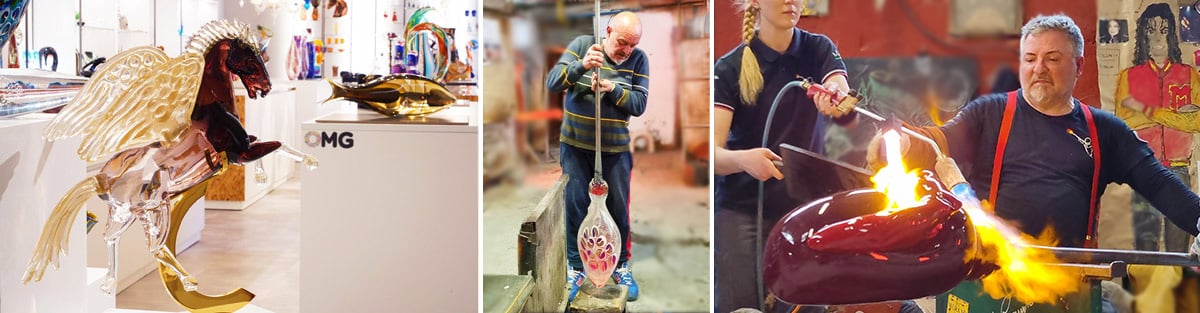
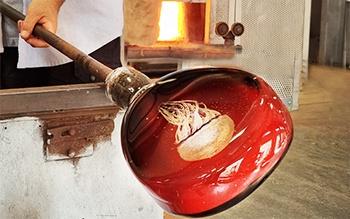
Authentic Murano glass is entirely handmade, using traditional techniques that require years of experience.
Each piece is unique, often featuring small imperfections that reflect its artisanal process.
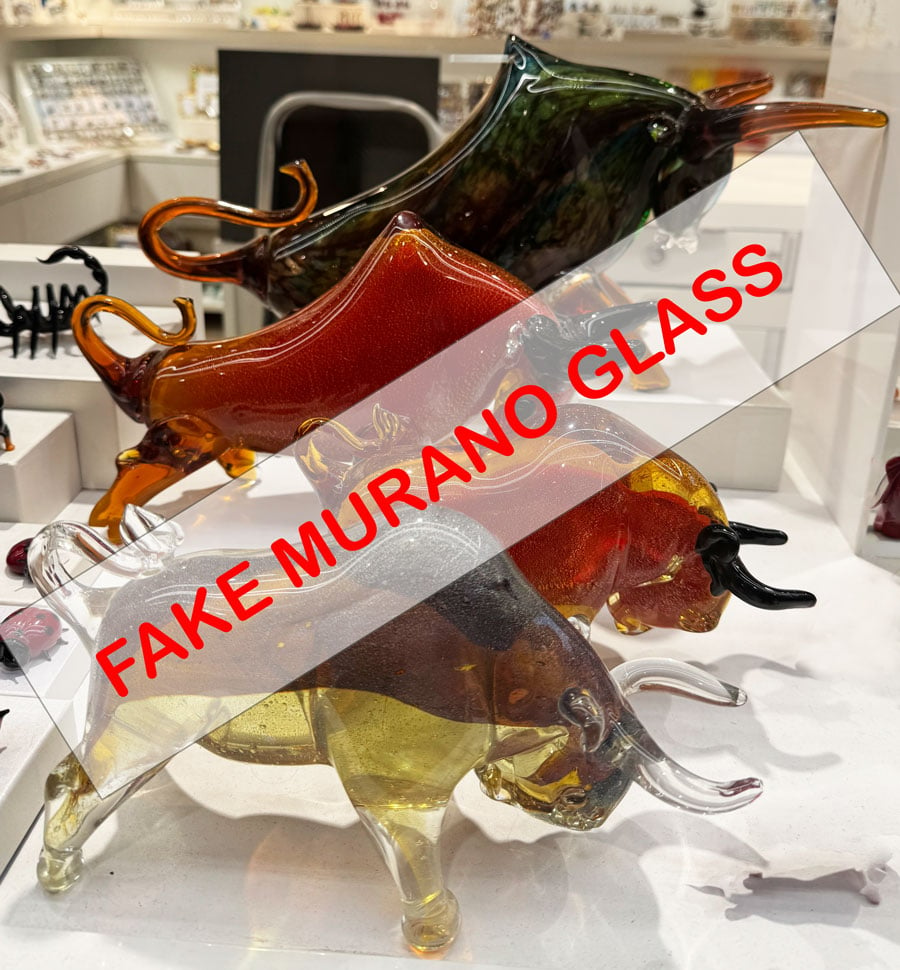
Imitations, on the other hand, are typically mass-produced using industrial methods.
This results in identical shapes, less depth in color, and overall lower quality.
A real-world example?
Many low-cost souvenirs sold as “Murano glass” are actually made in China or Eastern Europe: they may look bright, but lack depth, detail, and refinement.
How to spot a fake
There are several clear signs that can help you distinguish real Murano glass from imitations.
You don’t need to be an expert, but paying attention to a few details makes all the difference:
- a price that’s unusually low compared to genuine art glass;
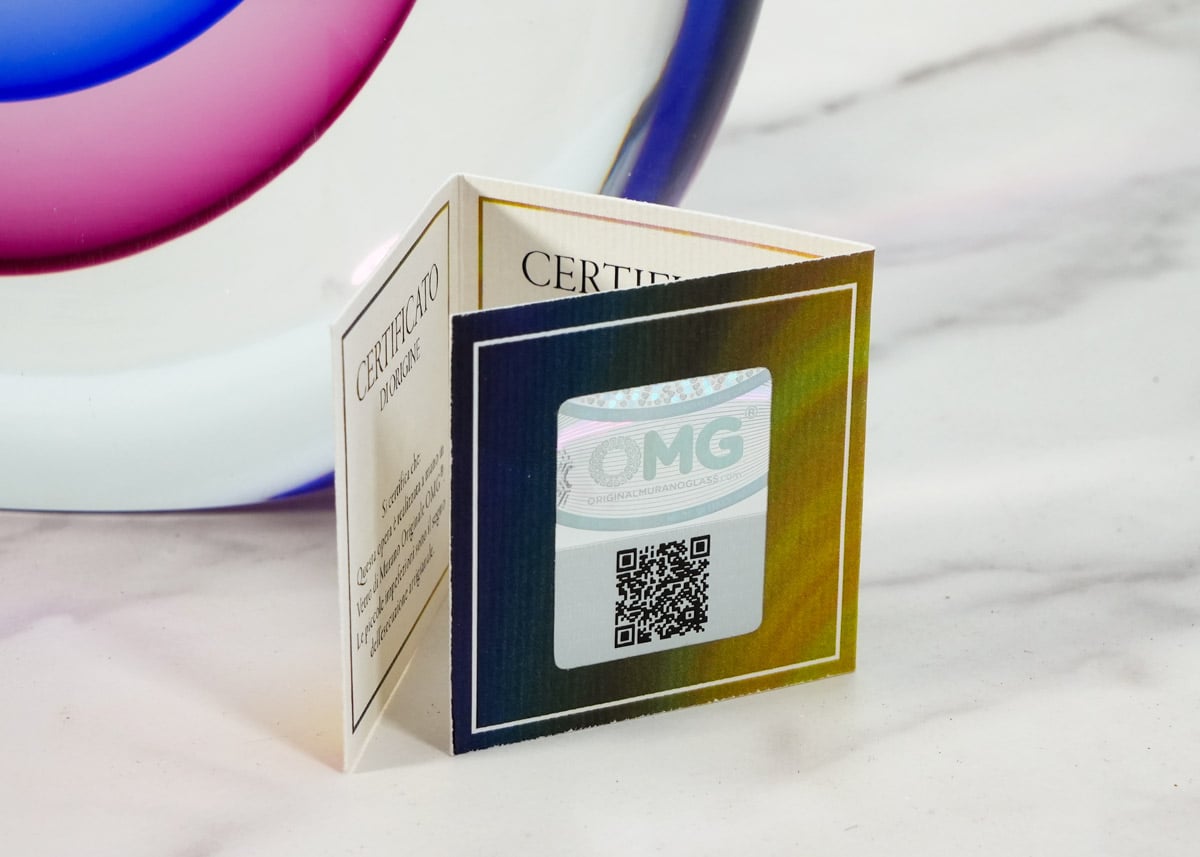
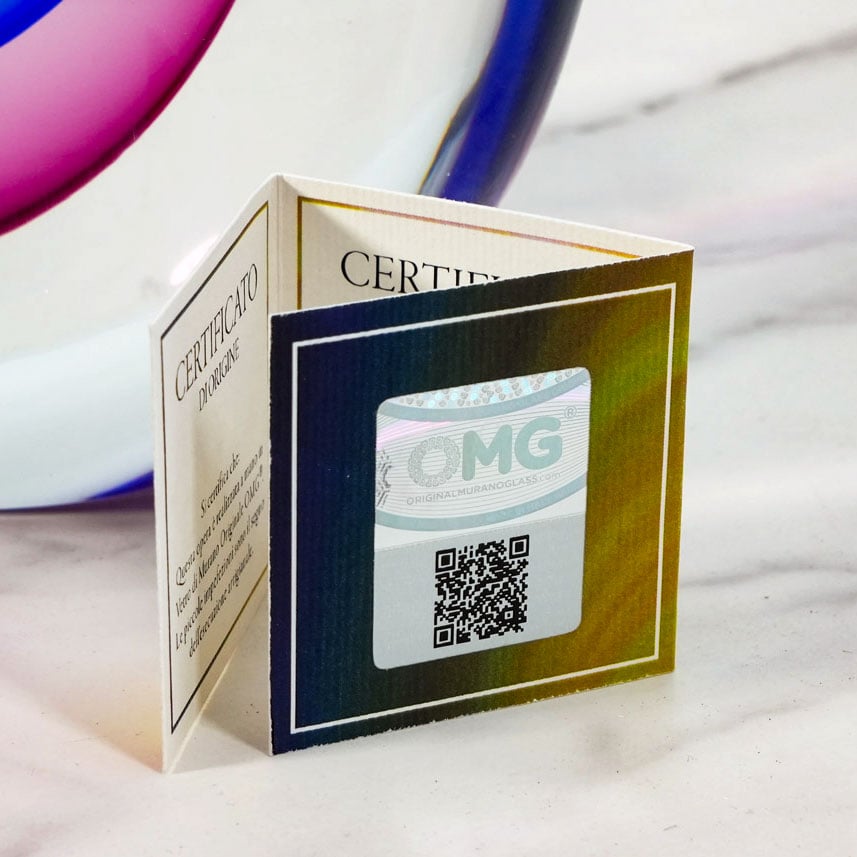
- no certificate of authenticity;
- generic labels like “Murano style” or “glass art”;
- identical shapes across multiple pieces (a sign of mass production);
- poor detailing or flat, dull colors.
Even the simplest authentic Murano piece has a distinct identity and a quality you can see and feel.
Why Murano glass is widely imitated
The presence of imitations is no coincidence, it’s a direct result of the global success of Murano glass.
Because it’s in high demand, some companies take advantage of the “Murano” name to sell similar-looking products at lower prices.
In many cases, these are borderline marketing strategies that rely on ambiguity: the product isn’t explicitly fake, but it’s not authentic either.
This issue has grown with mass tourism and e-commerce, where it’s easier to come across uncertified items. Even though official trademarks and certifications exist, counterfeit products remain a real challenge when it comes to protecting local craftsmanship.
At Original Murano Glass, however, we use an innovative system to certify our glass creations.
Want to learn more? Visit our certification page.
Visit
How to avoid imitations
Avoiding fakes is possible, you just need to follow a few simple guidelines.
The first tip is to buy directly in Murano or from trusted, transparent sellers.
It’s also important to:
- request a certificate of authenticity;
- research the furnace or the maker;
- be cautious of prices that seem too good to be true;
- choose pieces that come with a story or explanation of the craftsmanship.
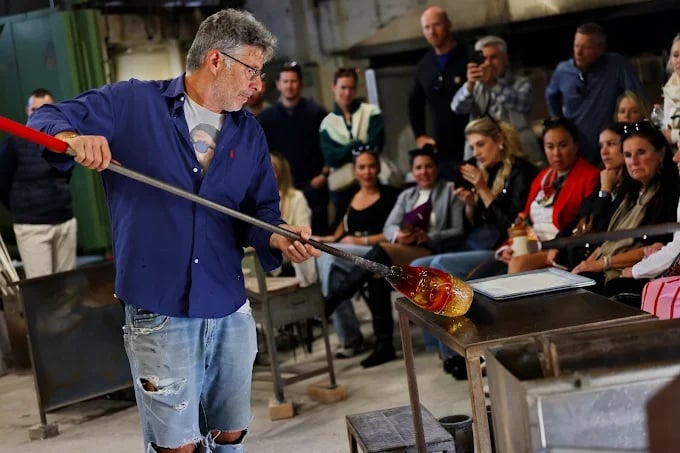
Another great option is visiting a glass furnace: seeing how a piece is made helps develop a more trained and aware eye.
This way, your purchase becomes not only safer, but also more meaningful.

Get in touch with us, no obligation!
Choosing authentic Murano glass means supporting a centuries-old tradition built on passion, skill, and creativity.
And above all, it means taking home not just an object, but a genuine story.
- +39 041 7794323
- +39 327 6842376
This email address is being protected from spambots. You need JavaScript enabled to view it.